Author name: mynameiskingsley@gmail.com

Uncategorized

Stakeholders push education reforms for children with autism, ADHD

Stakeholders in the education sector have called for urgent systemic reforms to ensure that neurodiverse learners and children with disabilities are not excluded from quality education in Nigeria. The stakeholders spoke on Monday at a press conference held at The Learning Place Centre, Lekki, Lagos, ahead of the National Inclusion Conference Nigeria scheduled for May 29 to 30 in Victoria Island, Lagos. The conference is themed, “Embedding Inclusive Excellence: Supporting Neurodiverse Learners in Every Class.” Speakers at the event stressed that inclusive education must move beyond policy statements and isolated interventions to become a nationwide educational culture backed by government support, funding, teacher training, and institutional reforms. President of the International Forum of Inclusion Practitioners, Daniel Sobels, said inclusion should become a national priority because millions of learners were being denied opportunities to flourish due to neurological, social, and economic disadvantages. He said, “No child should be left behind. We hope this conference will usher in new levels of concentration specifically on inclusion knowledge and inclusion skills.” Sobels noted that neurodiverse children were often misunderstood and unfairly labelled in conventional school systems. Neurodiverse learners are children or individuals whose brains process, learn, communicate, or behave differently from what is traditionally considered typical. They include people with conditions such as dyslexia, autism, ADHD, dyspraxia, and other learning or developmental differences. Neurodiverse learners often require tailored teaching methods, supportive environments, specialised interventions, and inclusive educational practices to help them thrive academically, socially, and emotionally. Sharing his personal experience as a neurodiverse learner, he said, “I had a very difficult time, mainly because I was accused of being lazy and not clever. “I was told, and I also felt, strange and different. I think what I described is quite common to neurodiverse learners. They feel like they can’t.” He added that inclusion should not remain in isolated schools and centres but become a nationwide educational movement. “We need to move from individuals doing amazing work to this becoming citywide in Lagos and then nationwide,” he said. Director of Wholehearted Learning, Sharon Gray, said many Nigerian schools desired inclusive systems but lacked the tools, funding, and specialised personnel needed to implement them effectively. “The government needs to believe in it and support it through policy making and finances because the skill sets required are different from those in regular classroom settings,” she said. Gray advocated compulsory inclusion studies in universities and teacher-training institutions to improve awareness and preparedness.Related News Former National Executive Director of the National Inclusion Conference, Angelina Ikeako, said many children in schools today were merely “school compliant” without receiving meaningful education because adequate support systems were lacking. “It is easy for us to assume that because children are in school, they are being educated, but for children who are neurodiverse, when you don’t have the accommodations and interventions in place, they are not being well educated,” she said. According to her, the conference is aimed at capacity building, advocacy, awareness, and systemic reforms. “We cannot afford to have pockets of good practice. We need systemic change,” Ikeako added. She called on policymakers, educators, parents, and school leaders to adopt what she described as a “360-degree approach” to inclusive education. Executive Director of The Learning Place Centre, Bolanle Adewale, described inclusion as a fundamental human right backed by the United Nations and UNESCO. “We in Nigeria cannot afford to leave out any child because they are a certain way or the other. Every child can learn,” she said. Adewale explained that inclusion benefits not only neurodiverse learners but all children within the educational system. “When inclusion thrives, everybody benefits,” she added. Project Lead of the National Inclusion Conference, Oluwatosin Oladipo, said the attitude of adults around children strongly influenced how neurodiverse learners viewed themselves. “If you have a child in a class where the teacher thinks they can’t, then it is almost impossible for that child to think themselves that they can,” she said. Centre Coordinator at TLP Centre, Doyinsola Jawando-Adebomehin, stressed the importance of parental involvement and collaboration among schools, health professionals, and caregivers. “Parents are the experts of their children,” she said. “Children will do well if they can, and if they can’t, then it is our role to support them.” Also speaking, Communication Lead at Golden Educational Consultants, Olusola Imoru, said that Nigeria faced a shortage of trained special-needs educators. Imoru noted that many school owners struggled to recruit skilled tutors capable of supporting neurodiverse learners. Imoru said universities and government institutions must strengthen teacher education and special needs programmes to address the gap.
Uncategorized

Trinity varsity launches model UN initiative to train future diplomats

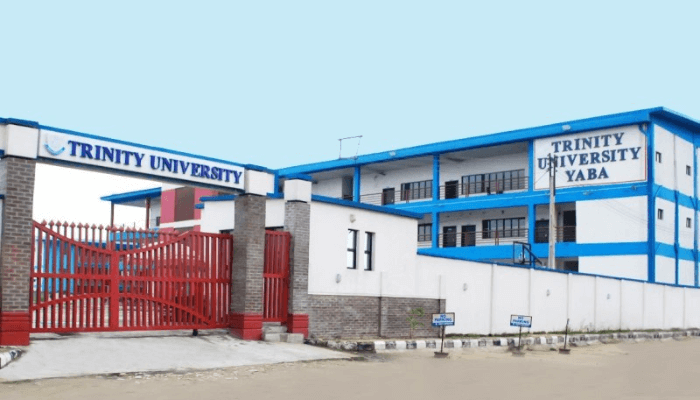
Trinity University has launched the Trinity International Model United Nations aimed at equipping students with diplomacy, negotiation and global leadership skills in what the institution described as a major step toward experiential education. The initiative was formally unveiled on Thursday during an evening of political stage drama titled Summit of Shadows, a production written entirely by a student and staged as part of activities marking the launch of the conference. University officials said the Model United Nations initiative, known as TiMUN, is expected to become an annual flagship conference attracting students from universities across Nigeria and beyond. The project was championed by Melody Inyang, former President of the Political Science Students Association. He said the idea was inspired by the long-running Model United Nations programme at Babcock University. Inyang said, “The United Nations was not created to take man to heaven, but to save humanity from itself.” The drama, Summit of Shadows, portrayed a fictional 1990s military coup in Nigeria led by General Ibrahim Amodu against an exiled civilian president, Dr Chukwemeka, resulting in civilian massacres, arrests, and national instability before intervention by the United Nations General Assembly restored democratic rule. Inyang said the first full TiMUN conference scheduled for later in the year will simulate a United Nations General Assembly session involving students from multiple universities debating and negotiating global issues. He added that participants would also benefit from internship pathways at the United Nations, African Union, ECOWAS and diplomatic missions of major world powers. “We will provide them with public speaking, diplomacy and everything that happens at the United Nations General Assembly,” he said. He added that the Director-General of the United States International Affairs Office had expressed interest in hosting TiMUN delegates during a future United Nations General Assembly session in New York.

Uncategorized

Educationist urges more investment in female education

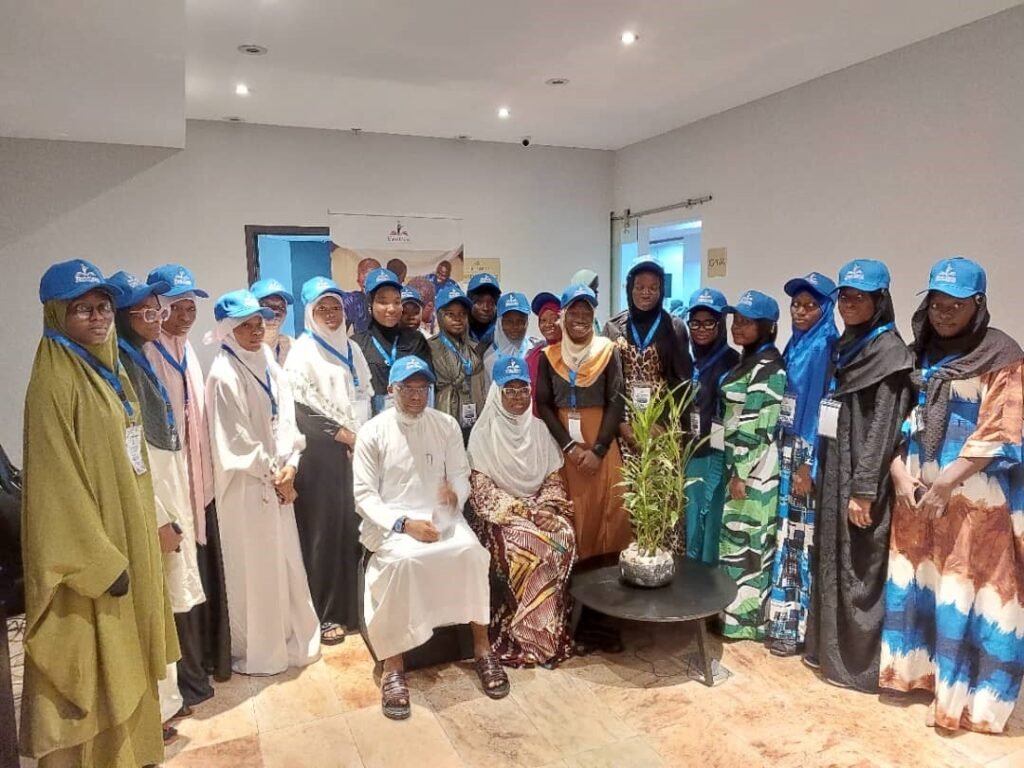
The Director-General of the Lagos State Office of Education Quality Assurance, Dr Sulaimon Ogunmuyiwa, has called on patents to pay attention to the girl-child. This is as he cautioned young women against total financial dependence on others, warning that over-reliance on spouses has left many women vulnerable and unable to navigate life’s challenges. He also said that investing in female child education is a strategic investment in Nigeria’s future. Ogunmuyiwa stressed that empowering girls through quality education remains critical to national development and economic growth. He stated this on Sunday in Lagos during an event organised by the First Class Muslim Foundation Board, where 20 first-class female students from universities across the South-West received scholarships. The education administrator challenged the long-held societal belief that a woman’s role is limited to the kitchen, describing such perceptions as harmful to national progress. “It is the women, or the ladies, or girls that will become mothers. And mothers are the ones who are going to train the children who are going to be the future of this country. “So, if we take care of the womenfolk, then it means we are ensuring that the children for the future are going to be well-trained,” Ogunmuyiwa said. He noted that the increasing number of female students graduating with first-class honours reflected a growing determination among young women to attain financial independence and personal growth. According to him, many women in previous generations suffered because they depended entirely on others for survival, a situation many young women are now determined to avoid. “A lot of females get their fingers burnt because they relied so much on their husbands, they relied so much on other people, and they are not independent enough to be able to make a living. “And truth be told, everybody is here as an individual, whether male or female, and you should make something out of your life. So, everybody should be given the opportunity to make the best out of living,” he added.

Uncategorized

Rwanda school trains African students in leadership, governance

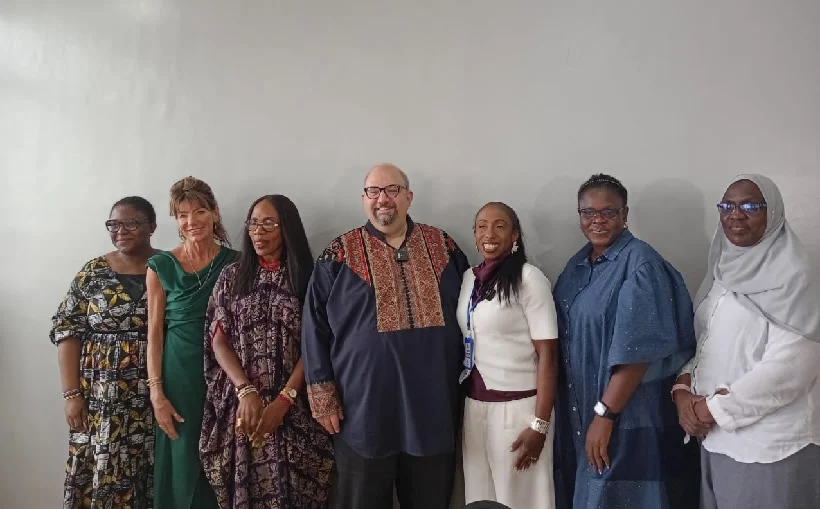
The African School of Governance has said 48 students drawn from 14 African countries are undergoing leadership and governance training in Rwanda as part of efforts to develop practical solutions to the continent’s persistent challenges. The institution, headquartered in Kigali, said the students are enrolled in its flagship Master of Public Administration programme, which combines academic learning with practical governance experience. Speaking on his motivation for joining the programme, Tanzanian student Daniel Naftal Lema said he had long questioned why many African problems continue to resurface despite huge investments by governments and institutions. “When I arrived at ASG, I came with a question that had stayed with me for years,” Lema said. “Growing up in Tanzania, I watched governments and institutions commit enormous resources to solving Africa’s problems, only to see many of the same issues return years later. I wanted to understand why, and more importantly, gain the tools to contribute to lasting solutions.” According to the institution, the programme exposes students directly to policymakers, governance institutions and public sector reform initiatives across Africa through its Work Integrated Learning programme. ASG noted that students regularly engage with policymakers and practitioners to understudy how policies are formulated and implemented in complex political environments.

Scroll to Top